
Indian generic medicines have earned India the title “pharmacy of the world,” and that reputation is earned rather than marketed. Indian manufacturers supply a substantial portion of the generic medicines used globally, including a large share of the essential medicines procured by international health organizations for Africa. Here is why hospitals, pharmacies, and governments continue to trust Indian generic medicines above alternatives from other sourcing regions.
World-Class Manufacturing Standards Behind Indian Generic Medicines
India is home to hundreds of WHO-GMP certified manufacturing facilities and among the largest numbers of internationally inspected pharmaceutical plants outside the regulating countries themselves. Indian factories routinely pass inspections by global regulators, and the same production lines that serve highly regulated markets also serve Africa. Quality is built into the system that produces Indian generic medicines, not added on request for export orders.
This is also why documentation matters so much when sourcing Indian generic medicines. Every legitimate shipment should be traceable back to a certified facility — something we cover in more detail in our guide on why GMP certification matters when sourcing medicines from India.
Unmatched Affordability
Generic medicines from India typically cost a fraction of the originator brand price without compromising therapeutic effect. This affordability is what makes large-scale treatment programs viable — from antibiotics and antimalarials to cardiac, diabetes, and oncology therapies. For healthcare buyers in Ghana, Indian generic medicines stretch procurement budgets dramatically further than equivalent products sourced from higher-cost markets, without any reduction in quality standards.
Breadth of Product Range
Few countries can match the product depth of Indian generic medicines: tablets, capsules, syrups, injectables, vaccines, dermatological preparations, oncology drugs, and medical devices are all produced domestically. Whatever your formulary requires, an Indian manufacturer almost certainly produces a registered, quality-assured version of it. This breadth is part of why Indian generic medicines dominate procurement lists for hospitals and distributors across Africa — buyers can consolidate sourcing with fewer suppliers while still covering a full formulary. If you’re building out a product list, our roundup of the top 10 Indian pharma products exported to Africa is a useful reference point.
Regulatory Oversight You Can Verify
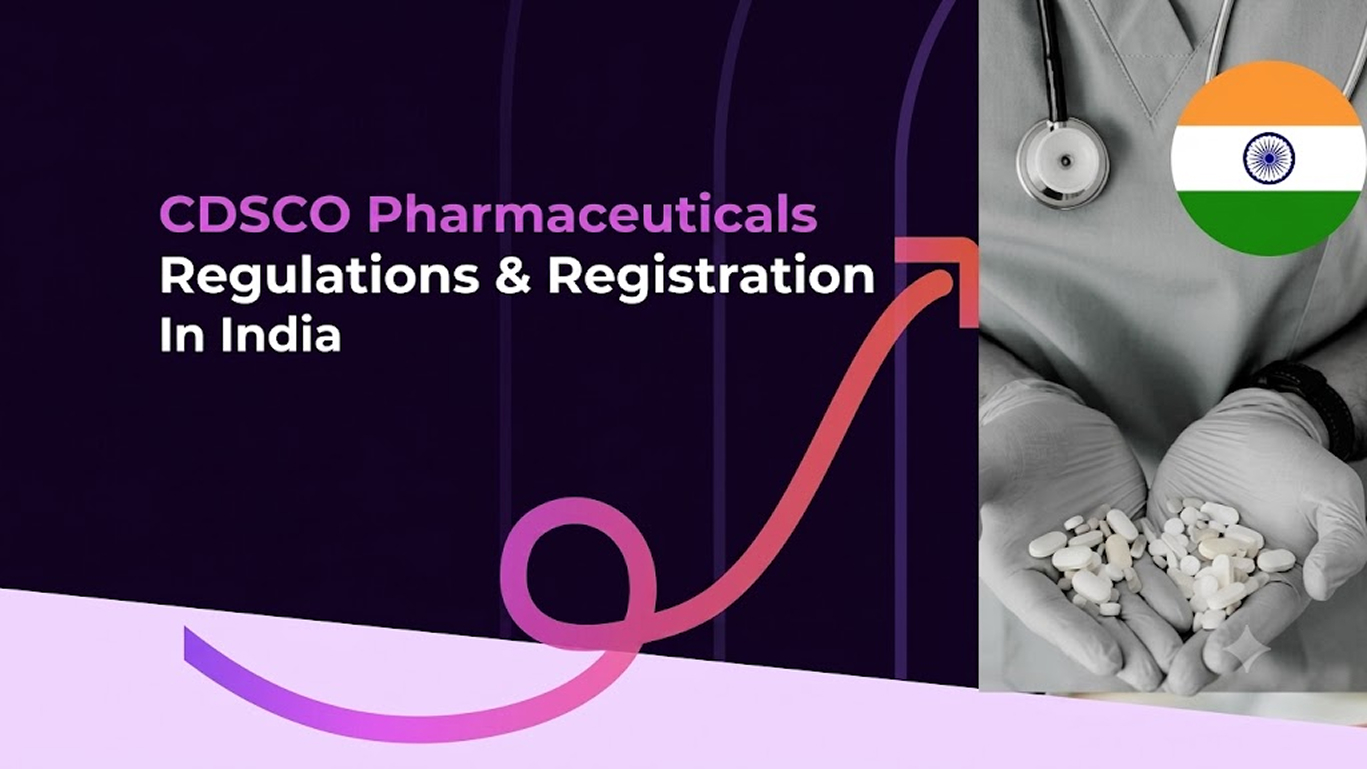
Every legitimate Indian pharmaceutical exporter operates under licenses issued by state drug authorities and the Central Drugs Standard Control Organisation (CDSCO). Batch-wise Certificates of Analysis, CoPPs, and GMP certificates are verifiable documents — meaning importers of Indian generic medicines can independently confirm what they are buying rather than relying on a supplier’s word alone.
Not every exporter operates this way, however. Some traders resell repackaged or under-documented stock without disclosing gaps in the paper trail. Before committing to a supplier of Indian generic medicines, it’s worth reviewing our guide on how to spot a fake Indian pharma supplier so you know exactly what documentation to demand upfront.
Sourcing Indian Generic Medicines the Right Way
The key to reliably sourcing Indian generic medicines is working through a licensed, transparent export partner rather than piecing together orders from multiple unverified factories. Divy Tradelink supplies only from GMP-certified, CDSCO-registered manufacturers and provides full documentation with every shipment, so healthcare providers in Ghana and across Africa receive Indian quality exactly as promised.
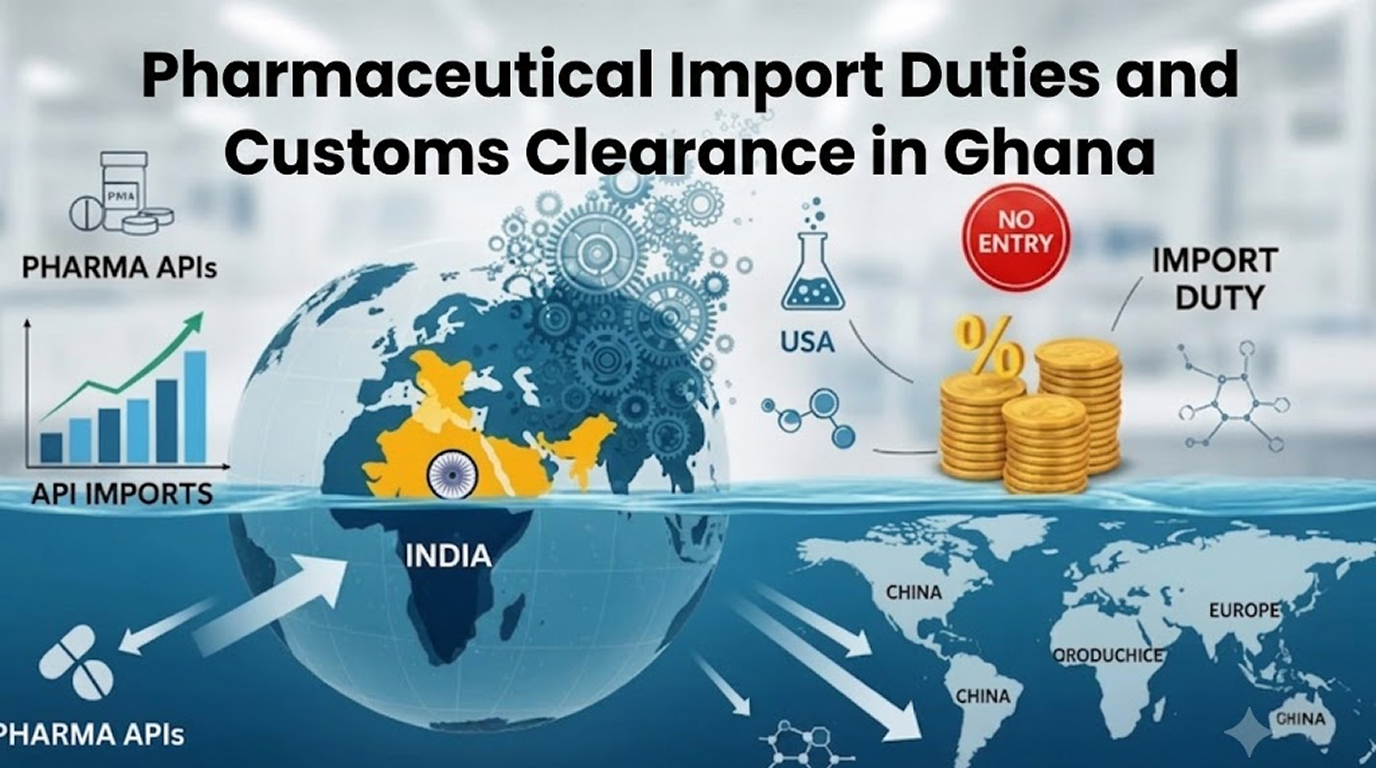
If you’re also navigating the regulatory side of bringing these products into Ghana, our companion guides on FDA Ghana drug registration and how to import medicines from India to Ghana walk through the full process from sourcing to customs clearance.