Expert articles, regulatory updates and industry insight on pharmaceutical export from India. From GMP compliance and product registration to cold-chain logistics, sourcing strategy and market entry — written for the people who import, distribute and dispense medicines.
From sourcing to delivery, we ensure reliability at every step. Our operations follow strict quality and regulatory standards.
What certifications should I look for when sourcing medicines from India?
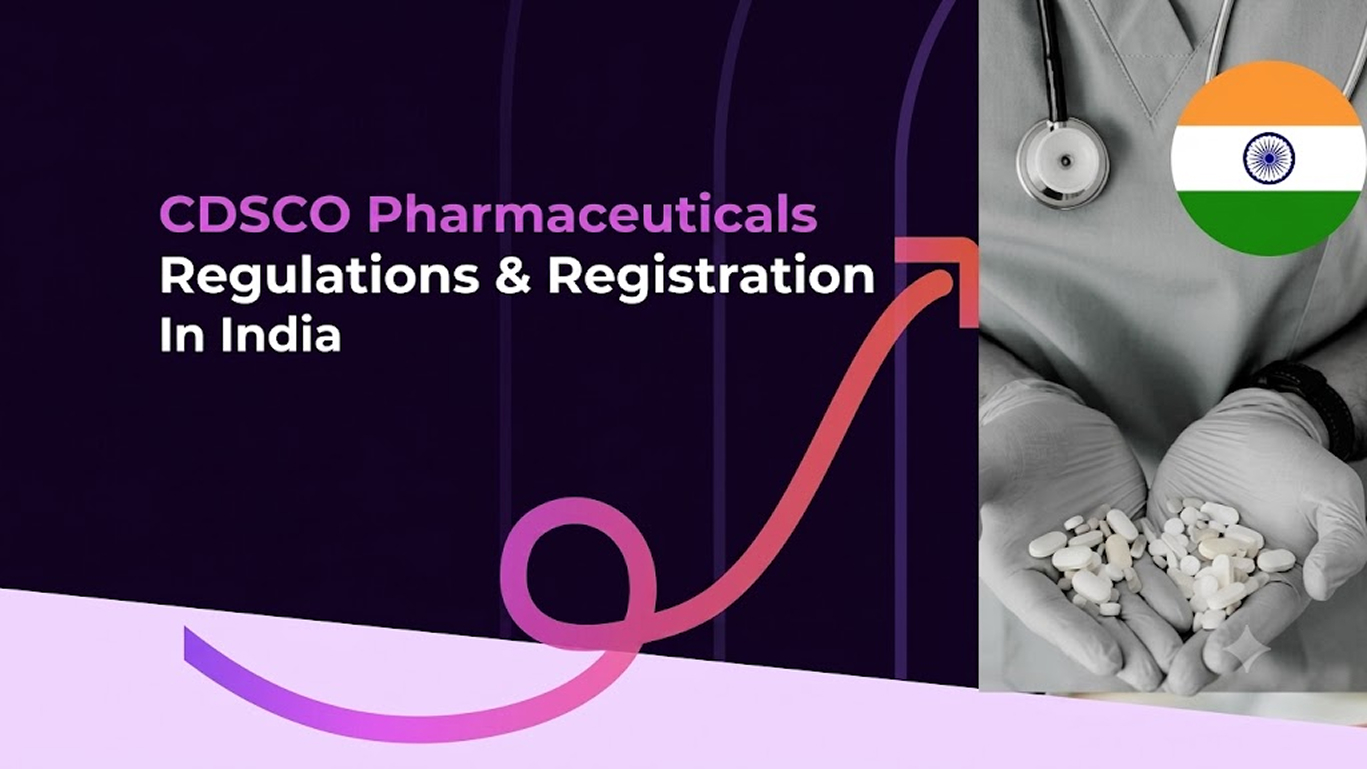
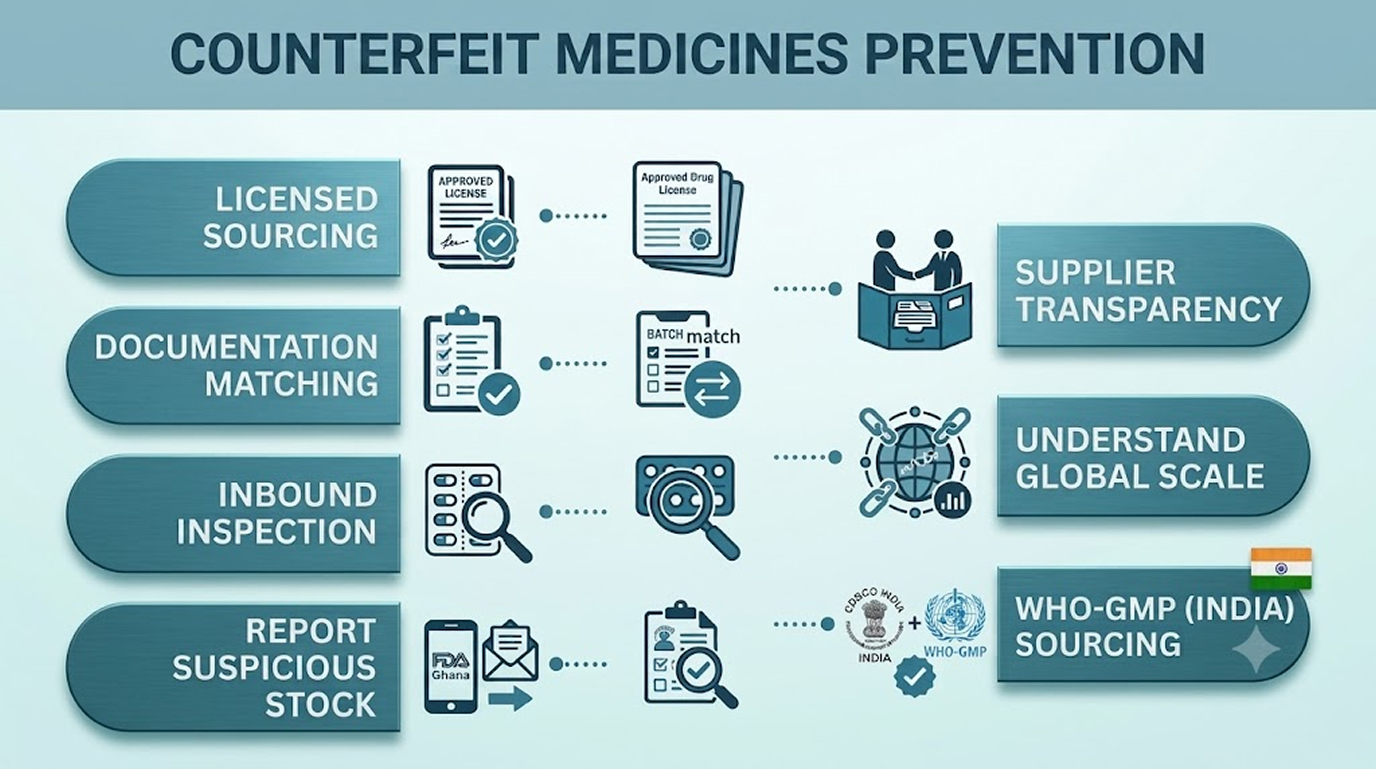
Reputable pharmaceutical suppliers should have certifications such as WHO-GMP, ISO, and approval from India’s CDSCO. These certifications ensure product quality, safety, and compliance with international standards.
Why is GMP certification important in pharmaceutical exports?
GMP certification ensures that medicines are manufactured under strict quality control processes, reducing the risk of contamination and ensuring consistent product quality.
How can I verify an Indian pharmaceutical supplier?
You should check the supplier’s export licenses, certifications, manufacturing partners, and customer references. Reliable suppliers also provide complete documentation and product traceability.
Which pharmaceutical products does India export to Africa?
India exports a wide range of products to Africa, including antibiotics, antimalarials, cardiovascular medicines, diabetic medications, vaccines, and medical equipment.
What documents are required for importing medicines into Ghana?
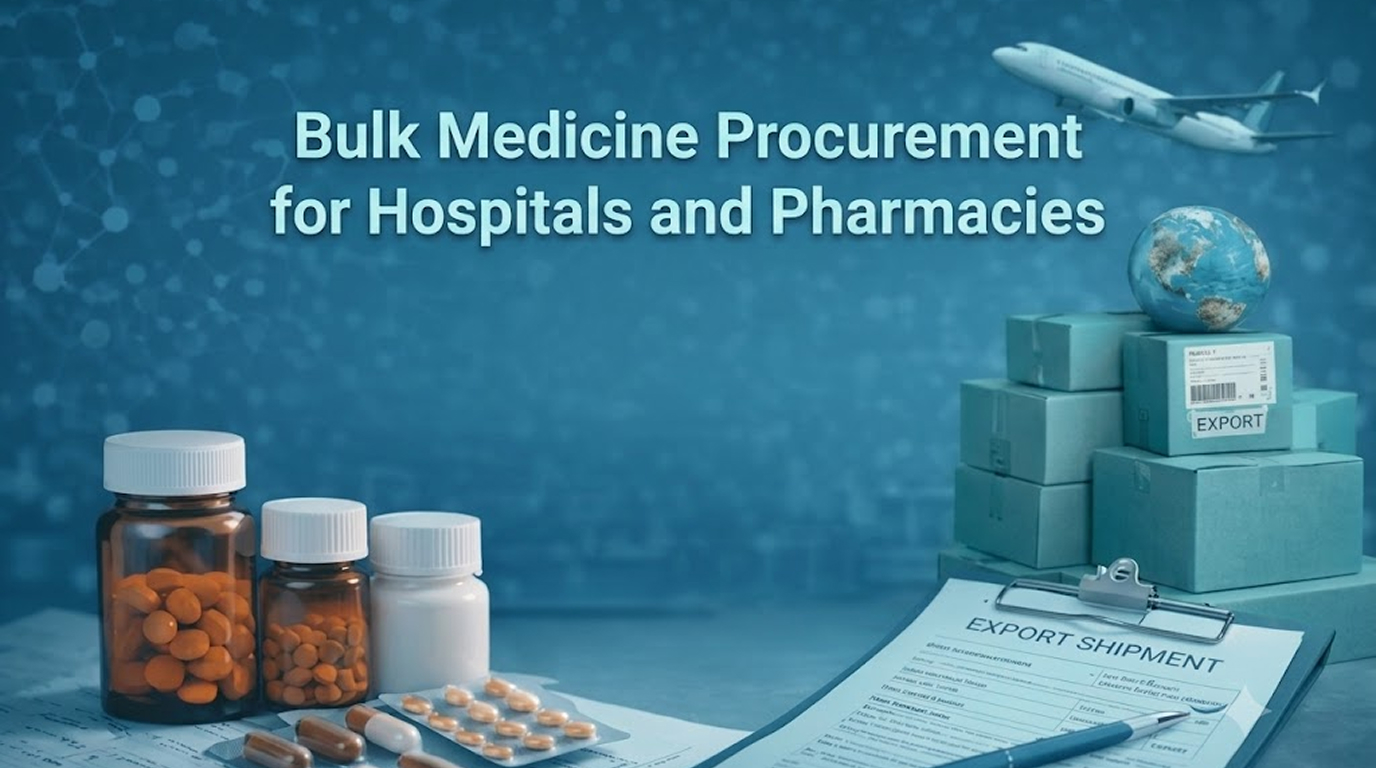
Importers typically require a commercial invoice, packing list, certificate of origin, product registration documents, and any permits required by the Ghana FDA.
How long does it take to export medicines from India to African countries?
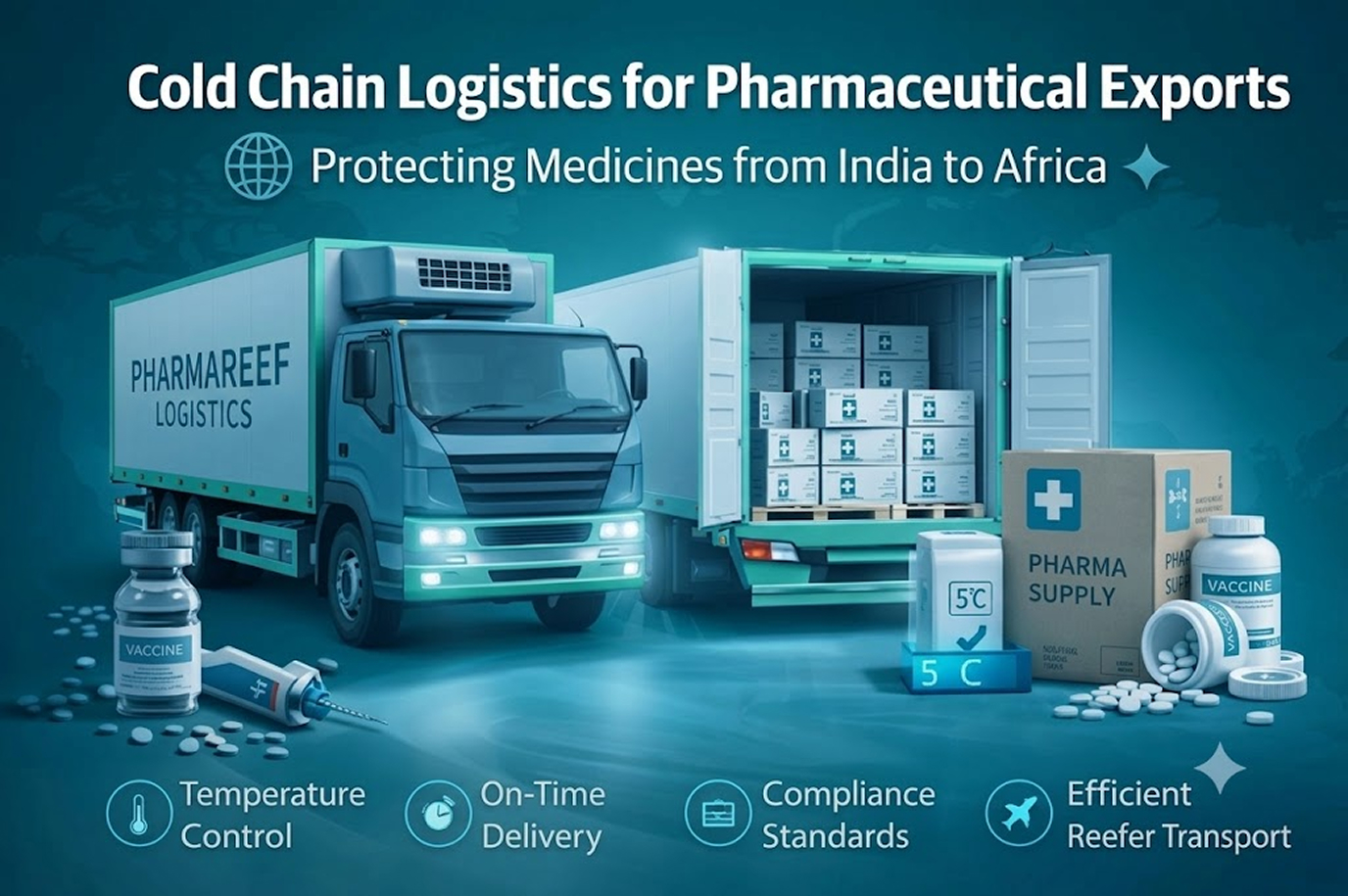
Delivery timelines generally range from 2 to 6 weeks depending on the destination, shipping method, customs clearance, and product requirements.
Why do healthcare providers choose Indian pharmaceutical products?
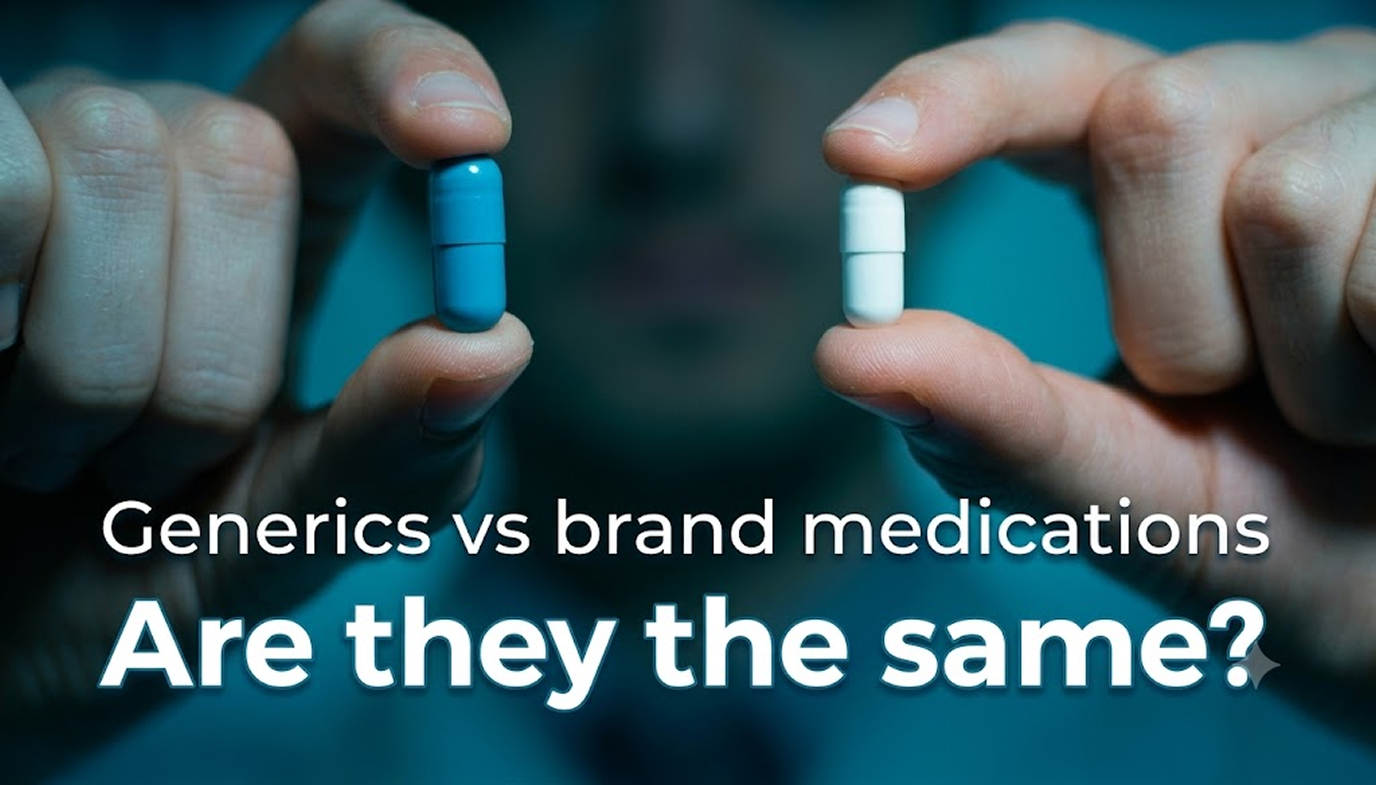
Indian medicines are trusted worldwide because they offer high quality, international manufacturing standards, and cost-effective pricing compared to many other markets.
Can Divy Tradelink help with regulatory compliance and documentation?
Yes. Divy Tradelink provides end-to-end support, including product sourcing, export documentation, regulatory guidance, logistics coordination, and after-sales assistance.