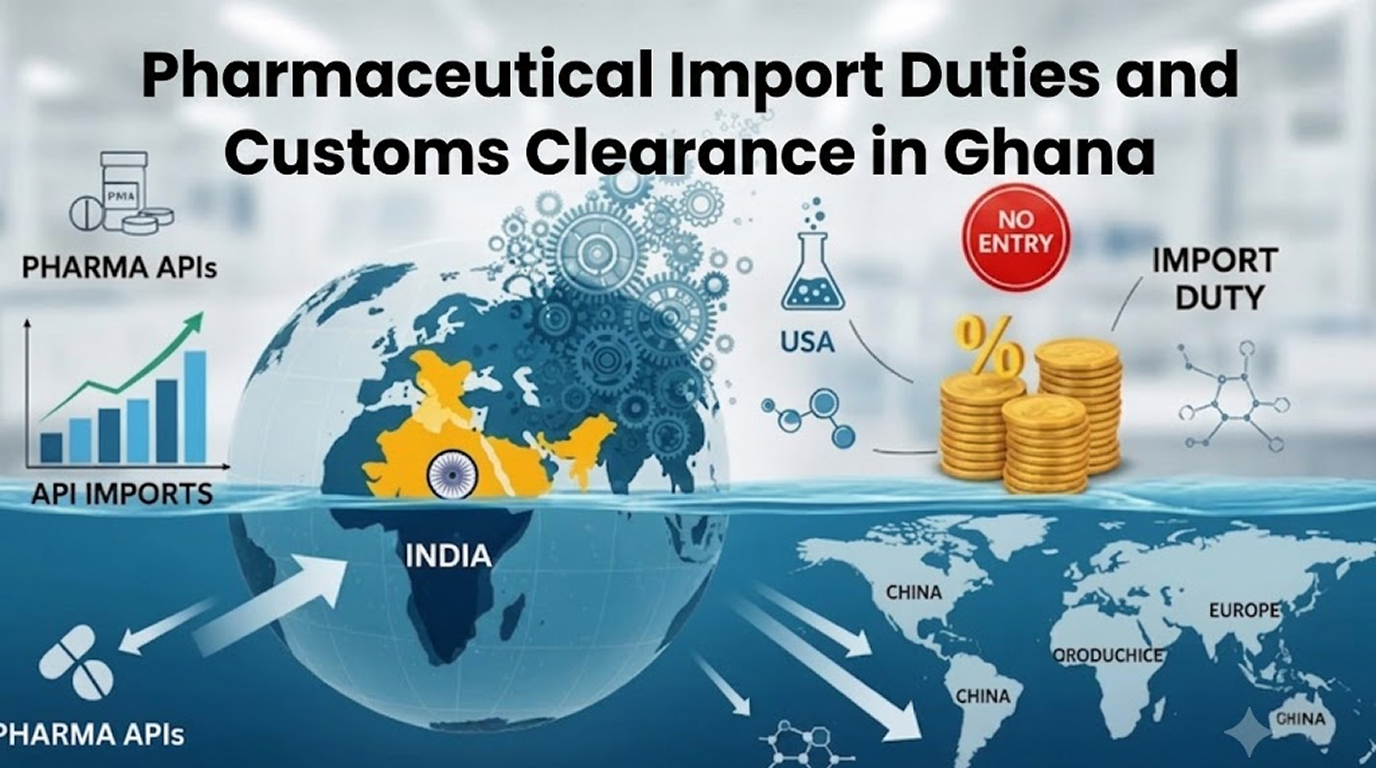

India supplies a significant share of the medicines used across Ghana and West Africa, and for good reason: Indian manufacturers produce high-quality, WHO-GMP certified generics at prices that make healthcare affordable at scale. But importing medicines from India to Ghana is a regulated process, and getting it right the first time saves months of delays and thousands of dollars. This guide walks you through every step.
Why Businesses Import Medicines from India to Ghana
Ghana’s healthcare sector depends heavily on imported pharmaceuticals, and India remains the preferred sourcing destination for hospitals, pharmacies, and distributors across the country. The reasons are simple: competitive pricing, [CDSCO-regulated manufacturing] standards, and a mature export ecosystem built specifically to serve African markets. Understanding how to import medicines from India to Ghana correctly is what separates a smooth, repeatable supply chain from one plagued by port delays and rejected shipments.
Step 1: Verify That You Are Licensed to Import
Before anything else, your business in Ghana must hold the appropriate license from the Pharmacy Council of Ghana and be registered with the Food and Drugs Authority (FDA Ghana) as an importer of pharmaceutical products. Hospitals, licensed pharmacies, and registered distributors all qualify, but the paperwork must be current before you place an order.
Step 2: Choose a Licensed Indian Pharmaceutical Exporter
Your exporter is the single most important decision in the entire process of importing medicines from India to Ghana. Look for a partner that sources exclusively from GMP-certified, CDSCO-registered Indian manufacturers, provides complete export documentation, and has a track record of shipments to West Africa. Ask for their drug license, export references, and sample Certificates of Analysis (CoA) before committing.
A reliable exporter like Divy Tradelink handles manufacturer verification, regulatory paperwork, and logistics coordination on the Indian side — so you only deal with one accountable partner instead of a dozen factories. This is often the difference between a one-off shipment and a dependable, repeatable supply relationship. If you’re deciding what to stock first, our roundup of the [top 10 Indian pharma products exported to Africa] is a useful starting point.
Step 3: Register the Products with FDA Ghana
Every pharmaceutical product sold in Ghana must be registered with FDA Ghana before import. Your exporter should supply the product dossier, Certificate of Pharmaceutical Product (CoPP), GMP certificate, [WHO Good Manufacturing Practices] documentation, stability data, and product samples required for registration. Registration typically takes several months, so start early and plan your inventory accordingly — this is often the longest single step when you import medicines from India to Ghana.
Step 4: Confirm Documentation for Each Shipment
A compliant shipment from India includes:
- The commercial invoice and packing list
- Certificate of Analysis for each batch
- Certificate of Origin
- The exporter’s drug license
- Airway bill or bill of lading
- Any product-specific certificates
Incomplete paperwork is the number one cause of customs delays at Tema Port and Kotoka International Airport. Double-checking this list before every shipment is one of the simplest ways to keep your import medicines from India to Ghana pipeline moving without interruption. Documentation is also where fraud tends to surface — see our guide on [how to spot a fake Indian pharma supplier] for the warning signs to check before you commit to an exporter.
Step 5: Plan Logistics and Customs Clearance
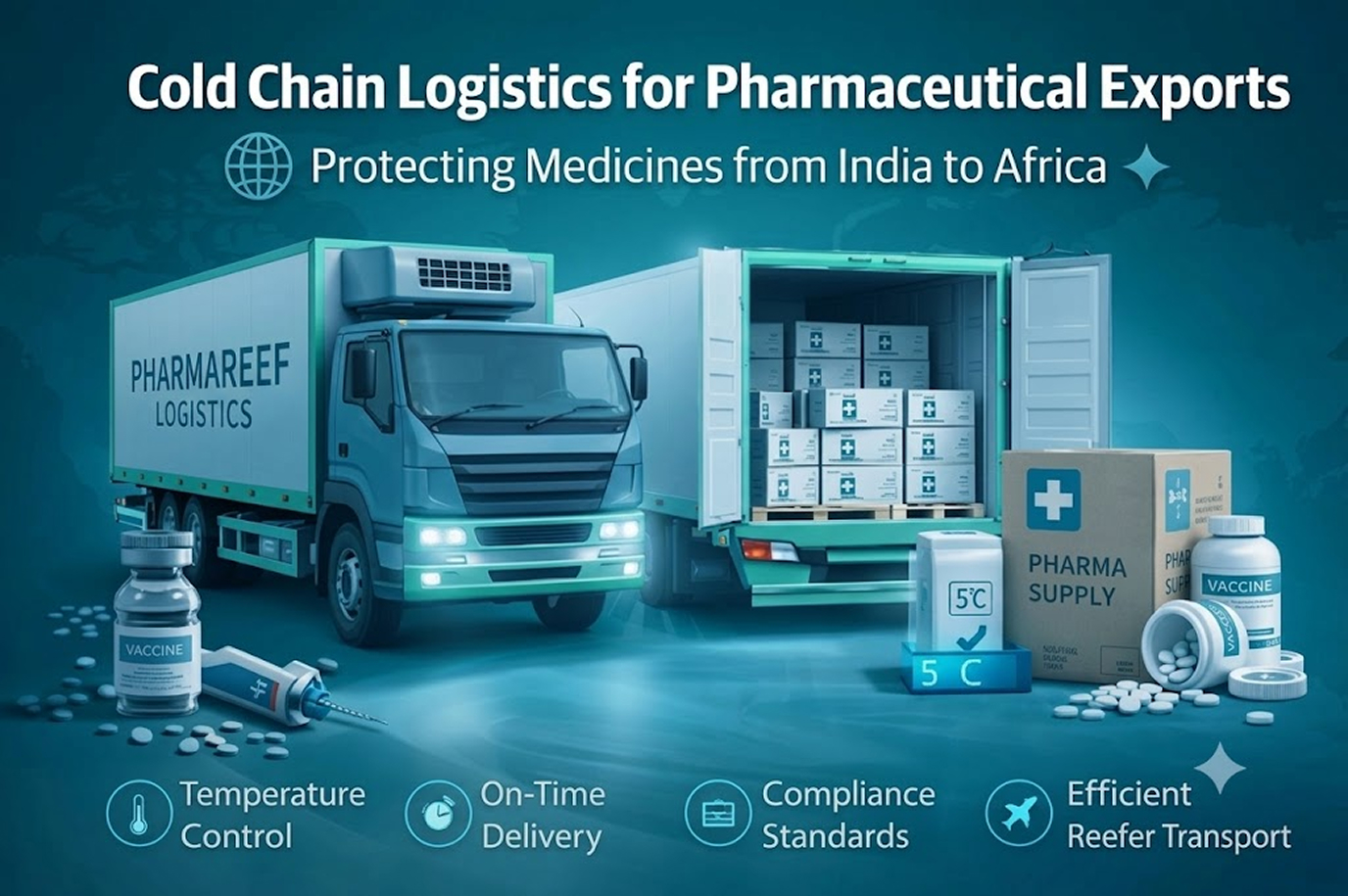
Decide between air freight (faster, ideal for urgent or temperature-sensitive products) and sea freight (cheaper for bulk orders). Temperature-controlled products need validated cold-chain packaging with data loggers. On arrival, your clearing agent presents the documents to Ghana customs and FDA officials for inspection and release. Every product moving through this chain should also carry proper [GMP certification], which is one of the first things customs and FDA Ghana officials check during inspection.
Final Thoughts
Learning how to import medicines from India to Ghana is straightforward once every step is handled by professionals. Partner with an exporter who understands both the Indian regulatory system and Ghanaian import requirements, and your supply chain will run on schedule, shipment after shipment.