Choosing the right pharmaceutical exporter in India is the single decision that determines whether your entire supply chain runs smoothly or collapses at the first shipment. Thousands of companies advertise themselves as a pharmaceutical exporter in India. Some are excellent, licensed, professional operations. Others are middlemen with no drug license, no quality control, and no accountability once your payment clears. This checklist helps you separate the two before you commit a single dollar.
Why Vetting a Pharmaceutical Exporter in India Matters So Much
Unlike most import categories, a pharmaceutical shipment carries regulatory, financial, and patient-safety risk all at once. A poorly vetted pharmaceutical exporter in India can leave you holding unregistered stock, incomplete paperwork, or products that fail inspection at Tema Port or Kotoka International Airport. Working through the checklist below before you place your first order is far cheaper than discovering these problems after payment has cleared.
The 8-Point Verification Checklist
- Valid drug license — Every legitimate pharmaceutical exporter in India holds a wholesale drug license issued by Indian drug authorities. Ask for a copy and check the license number, entity name, and expiry date.
- GMP-certified sourcing — The exporter should name its manufacturers and provide their WHO-GMP certificates. Refusal to disclose manufacturing sources is a serious red flag. Our deeper breakdown of WHO GMP certification explains exactly what to check on these documents.
- Complete documentation capability — Confirm they routinely provide Certificates of Analysis, CoPP, Certificate of Origin, and all export paperwork required by your country’s regulator, including everything needed for FDA Ghana drug registration.
- Export track record — Ask for references from existing clients in your region — ideally Ghana or West Africa — and actually contact them rather than taking a testimonial page at face value.
- Regulatory knowledge — A good pharmaceutical exporter in India understands FDA Ghana requirements, Zone IVb stability expectations, and labeling rules, not just Indian regulations.
- Transparent pricing and terms — Written quotations, clear Incoterms, defined lead times, and documented payment terms protect both sides of the transaction.
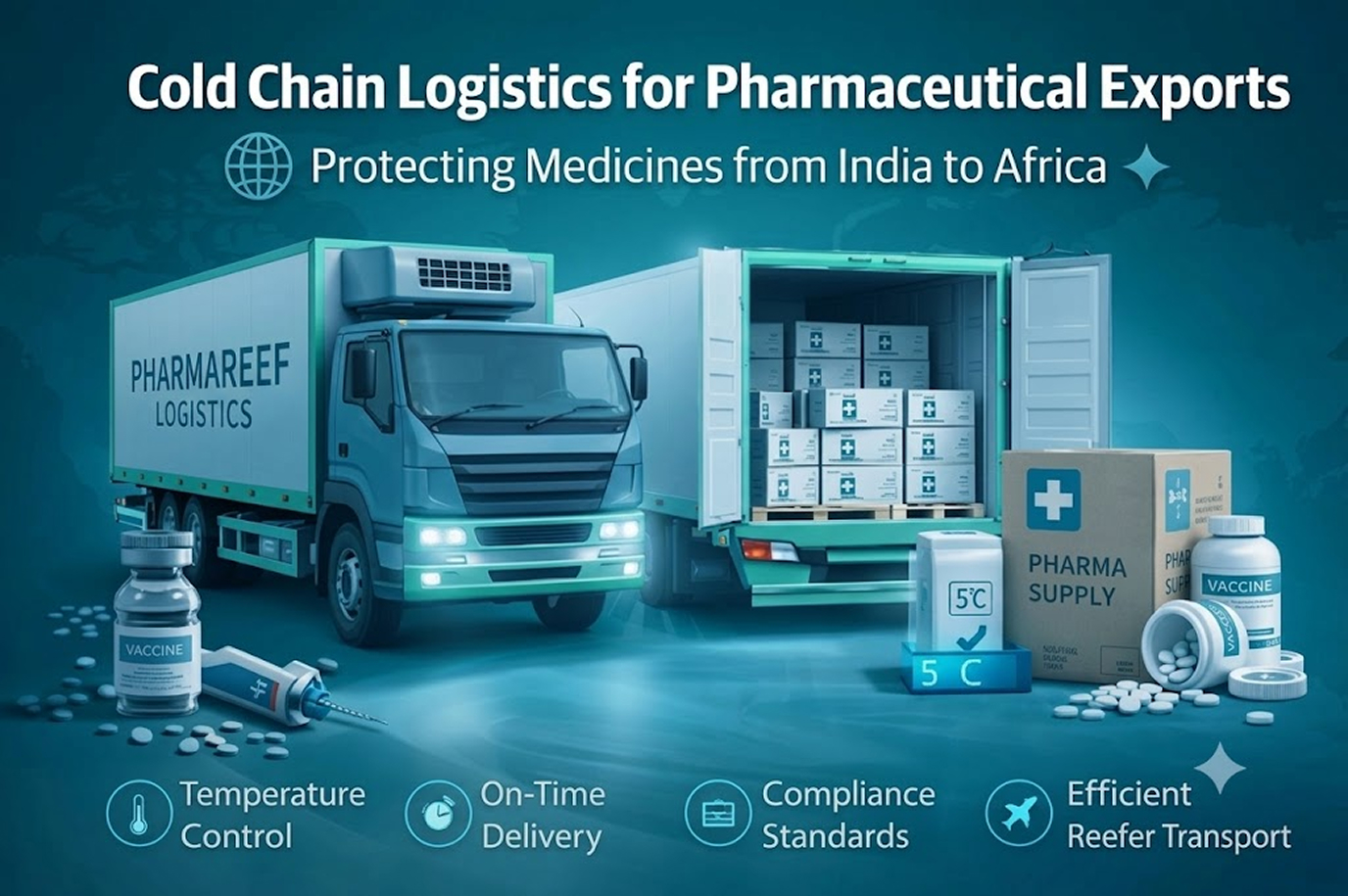
- Cold-chain competence — If you buy injectables, insulin, or vaccines, verify their temperature-controlled packaging and logistics experience before committing to a contract.
- Responsive communication — Pharmaceutical supply is time-critical. Note how quickly and precisely the company answers questions during the quotation stage — it predicts how they will behave after payment.
Red Flags That Signal an Unreliable Pharmaceutical Exporter in India
Be cautious of any pharmaceutical exporter in India who cannot produce a drug license, quotes prices dramatically below market, pushes for full advance payment to personal accounts, or offers “unbranded” products without batch documentation. Verified with the Central Drugs Standard Control Organisation (CDSCO), a genuine license number and entity name should match exactly what the exporter tells you. In pharmaceuticals, a deal that looks too good usually endangers patients and your business. For a closer look at how these schemes typically operate, see our guide on how to spot a fake Indian pharma supplier.
Putting the Checklist to Work
Once you’ve vetted a pharmaceutical exporter in India against all eight points, the next steps are product selection and registration. Our roundup of the top 10 Indian pharma products exported to Africa is a useful starting point for building your first order, and our complete guide on how to import medicines from India to Ghana walks through licensing, documentation, and customs clearance once your exporter is confirmed.
Where Divy Tradelink Stands
Divy Tradelink welcomes exactly this kind of scrutiny. We share our licenses, manufacturer certifications, and client references with every serious buyer — because long-term relationships with a pharmaceutical exporter in India are built on verification, not promises.