WHO GMP Certification Explained: What It Means for Your Medicine Supply 

Learn what WHO GMP certification means for pharmaceutical importers and why it is essential when sourcing medicines from India. Discover how GMP ensures quality, safety, regulatory compliance, and how to verify a manufacturer's certification before importing.
WHO GMP Certification Explained: What It Means for Your Medicine Supply 

WHO GMP Certification is stamped across nearly every serious pharmaceutical supplier’s website, but few importers actually understand what the claim guarantees — or how to verify it’s genuine before money changes hands. Understanding WHO GMP certification is one of the most valuable skills a pharmaceutical buyer in Ghana can develop, because it’s the single credential that separates a legitimate manufacturer from a repackager with a logo.

This guide explains exactly what WHO GMP certification covers, why it matters for anyone importing medicines, and the practical steps to confirm a certificate is real rather than decorative.

What WHO GMP Certification Actually Covers

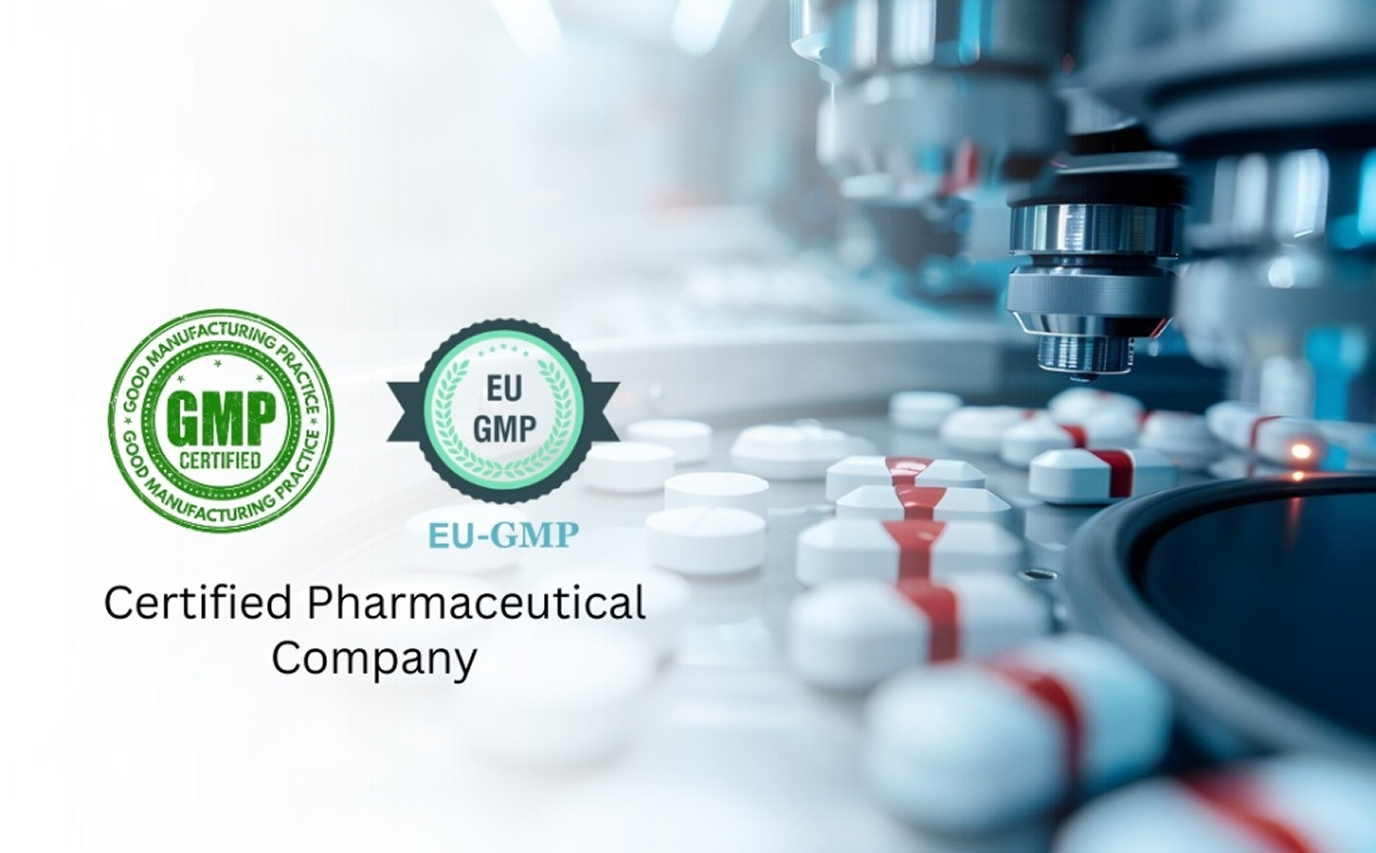
Good Manufacturing Practice (GMP) is a system that ensures medicines are consistently produced and controlled according to quality standards. WHO GMP certification governs everything: raw material sourcing and testing, facility hygiene and air handling, equipment validation, staff training, batch documentation, quality control laboratories, and product recall procedures.

WHO-GMP refers to the World Health Organization’s version of these standards, widely used as the benchmark for medicines traded internationally, particularly in Africa, Asia, and Latin America. When a supplier references WHO GMP certification, they’re claiming their facility has been assessed against this specific international benchmark — not simply “quality controlled” in a generic sense.

Why WHO GMP Certification Matters for Importers

A WHO GMP certification tells you the manufacturing site — not just the product — has been inspected and found compliant. It means every batch is traceable, tested, and documented. For an importer, this is the difference between a medicine you can defend before FDA Ghana and one that puts your license at risk.

This distinction becomes especially important during FDA Ghana drug registration, where a valid GMP certificate is one of the core documents reviewed before any product can be approved for sale. Without current WHO GMP certification on file, a registration dossier simply won’t move forward.

How to Verify a WHO GMP Certification

Always request the actual certificate, not a logo on a brochure. When reviewing a supplier’s WHO GMP certification, check:

  • The certificate number
  • The issuing authority
  • The exact manufacturing site address
  • The product categories covered
  • The validity dates

Certificates are site-specific and time-limited — a WHO GMP certification for one factory does not cover a manufacturer’s other locations, and an expired certificate is worthless regardless of how recent the paperwork looks. If in doubt, verification can be sought directly from the issuing drug authority, such as India’s Central Drugs Standard Control Organisation (CDSCO).

Suppliers who resist producing an actual certificate, or who supply one that doesn’t match the manufacturing site named on other shipment documents, are a warning sign worth taking seriously. Our guide on how to spot a fake Indian pharma supplier covers this exact scenario in more depth.

Why WHO GMP Certification Should Shape Your Sourcing Decisions

Buyers who prioritize WHO GMP certification when selecting an exporter tend to have far fewer problems at FDA Ghana registration, customs clearance, and — most importantly — in patient outcomes. It’s also worth remembering that certification doesn’t automatically extend across a manufacturer’s entire catalog; if you’re evaluating which products to bring in first, our roundup of the top 10 Indian pharma products exported to Africa highlights categories with strong, well-documented regulatory track records.

Our Commitment at Divy Tradelink

Divy Tradelink exports exclusively from GMP-certified, CDSCO-registered Indian manufacturers. With every quotation we can provide the manufacturer’s WHO GMP certification, and with every shipment we include batch-wise Certificates of Analysis. When your supplier’s quality claims are verifiable on paper, your pharmacy or hospital never has to take quality on faith. If you’re ready to start sourcing, our full walkthrough on how to import medicines from India to Ghana covers the rest of the process end to end.
Share with:

Related products

Generic vs Branded Medicines: A Cost and Quality Guide for African Healthcare Buyers 
Generic medicines offer the same active ingredients and therapeutic benefits as branded medicines at...
Bulk Medicine Procurement for Hospitals and Pharmacies in Ghana: A Practical Guide 
Learn how hospitals, pharmacies, and healthcare providers in Ghana can reduce medicine procurement costs...
CDSCO and Indian Drug Regulation: How India Ensures Export Medicine Quality 
Learn how the CDSCO regulates India's pharmaceutical industry and ensures export-quality medicines through strict...

— When your body is strong from within, the world becomes a safer, brighter place.

Frequently Asked Questions

From sourcing to delivery, we ensure reliability at every step. Our operations follow strict quality and regulatory standards.

Is pacemaker implantation a major surgery?

Contrary to popular belief, Lorem Ipsum is not simply random text. It has roots in a piece of classical Latin literature from 45 BC, making it over 2000 years old. Richard McClintock, a Latin professor at Hampden-Sydney College in Virginia, looked up one of the more obscure Latin words, consectetur, from a Lorem Ipsum passage, and going through the cites of the word in classical literature, discovered the undoubtable source.

Contrary to popular belief, Lorem Ipsum is not simply random text. It has roots in a piece of classical Latin literature from 45 BC, making it over 2000 years old. Richard McClintock, a Latin professor at Hampden-Sydney College in Virginia, looked up one of the more obscure Latin words, consectetur, from a Lorem Ipsum passage, and going through the cites of the word in classical literature, discovered the undoubtable source.

Contrary to popular belief, Lorem Ipsum is not simply random text. It has roots in a piece of classical Latin literature from 45 BC, making it over 2000 years old. Richard McClintock, a Latin professor at Hampden-Sydney College in Virginia, looked up one of the more obscure Latin words, consectetur, from a Lorem Ipsum passage, and going through the cites of the word in classical literature, discovered the undoubtable source.

Contrary to popular belief, Lorem Ipsum is not simply random text. It has roots in a piece of classical Latin literature from 45 BC, making it over 2000 years old. Richard McClintock, a Latin professor at Hampden-Sydney College in Virginia, looked up one of the more obscure Latin words, consectetur, from a Lorem Ipsum passage, and going through the cites of the word in classical literature, discovered the undoubtable source.

Contrary to popular belief, Lorem Ipsum is not simply random text. It has roots in a piece of classical Latin literature from 45 BC, making it over 2000 years old. Richard McClintock, a Latin professor at Hampden-Sydney College in Virginia, looked up one of the more obscure Latin words, consectetur, from a Lorem Ipsum passage, and going through the cites of the word in classical literature, discovered the undoubtable source.

Contrary to popular belief, Lorem Ipsum is not simply random text. It has roots in a piece of classical Latin literature from 45 BC, making it over 2000 years old. Richard McClintock, a Latin professor at Hampden-Sydney College in Virginia, looked up one of the more obscure Latin words, consectetur, from a Lorem Ipsum passage, and going through the cites of the word in classical literature, discovered the undoubtable source.

Contrary to popular belief, Lorem Ipsum is not simply random text. It has roots in a piece of classical Latin literature from 45 BC, making it over 2000 years old. Richard McClintock, a Latin professor at Hampden-Sydney College in Virginia, looked up one of the more obscure Latin words, consectetur, from a Lorem Ipsum passage, and going through the cites of the word in classical literature, discovered the undoubtable source.