
Description
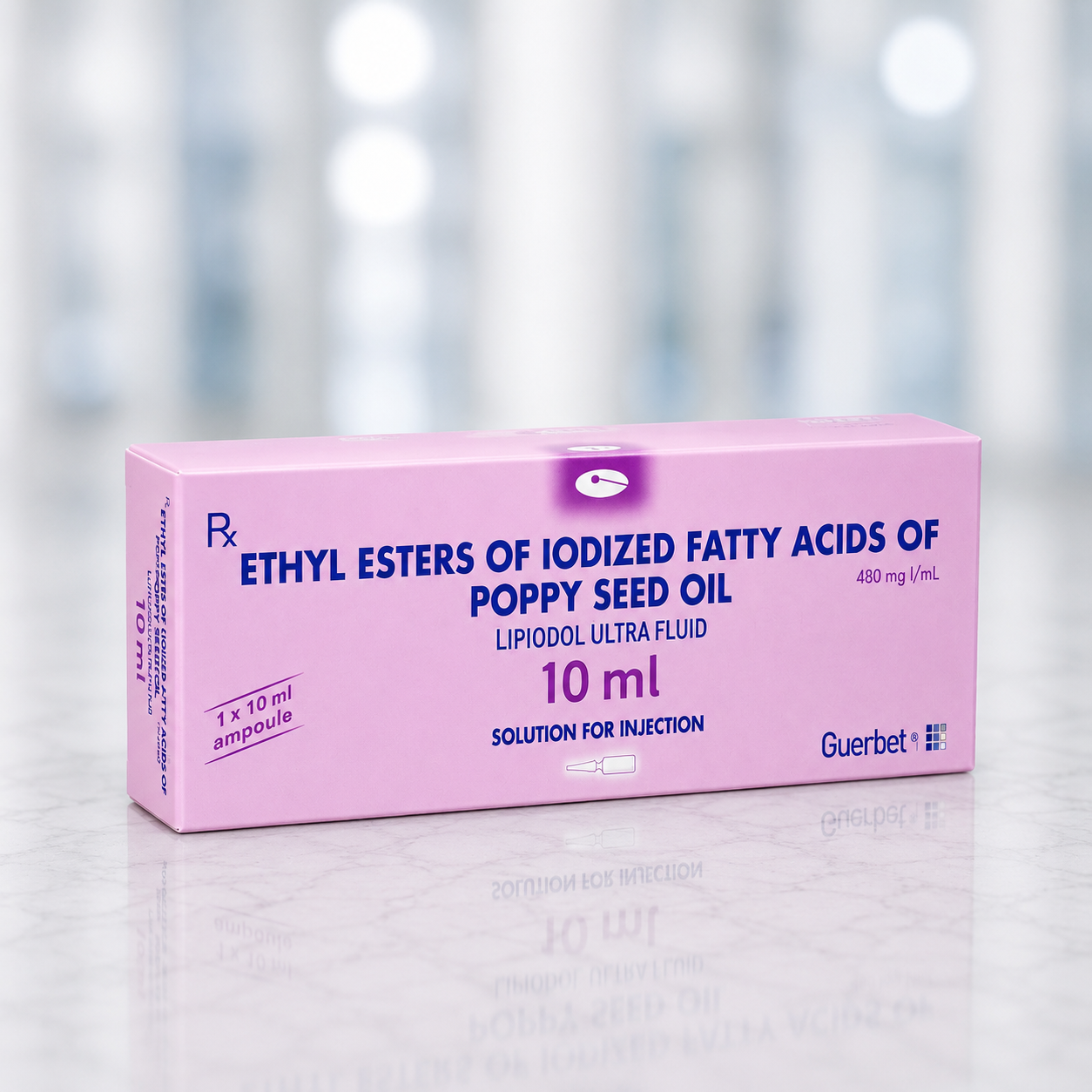
Introduction Of Lipiodol Ultra Fluide 10ml Injection:
Lipiodol Ultra Fluide 10 mL Injection is a sterile, oil-based contrast agent primarily used in diagnostic imaging and interventional radiology. It is composed of ethiodized oil, which enables enhanced visibility of certain organs and tissues during X-ray and CT scans.
Key Uses:
- Lymphography: Helps visualize the lymphatic system.
- Hysterosalpingography (HSG): Used to assess uterine and fallopian tube abnormalities in infertility diagnosis.
- Tumor Embolization: Plays a role in Transarterial Chemoembolization (TACE) for treating liver cancer by delivering chemotherapy directly to the tumor.
Benefits & Precautions:
- Provides high-quality imaging for accurate diagnosis.
- Helps in targeted therapeutic procedures like TACE.
- Should be administered only by healthcare professionals due to its specialized use.
Uses Of Lipiodol Ultra Fluide 10ml Injection:
- Diagnostic Imaging
- Interventional Radiology & Oncology
Benefits Of Lipiodol Ultra Fluide 10ml Injection:
Lipiodol Ultra Fluide 10ml Injection is a versatile contrast agent with several clinical benefits in diagnostic imaging, interventional radiology, and oncology.
1. Enhanced Imaging for Accurate Diagnosis Provides high-contrast visualization of the lymphatic system, uterus, and fallopian tubes, aiding in precise diagnosis. Improves image clarity in lymphography, hysterosalpingography (HSG), and sialography. Helps detect tumors, obstructions, and structural abnormalities efficiently.
2. Essential for Liver Cancer Treatment (TACE) Used in Transarterial Chemoembolization (TACE) to deliver chemotherapy directly to liver tumors while reducing systemic side effects. Acts as a carrier for chemotherapy drugs, allowing prolonged drug retention in tumors. Blocks tumor blood supply, leading to better cancer management.
Mechanism Of Action Lipiodol Ultra Fluide 10ml Injection:
Lipiodol Ultra Fluide 10 mL Injection is an oil-based radiopaque contrast agent that enhances imaging and plays a key role in interventional radiology and oncology. Its mechanism of action varies based on its application.
Contrast Agent for Diagnostic Imaging
Composed of ethiodized oil, Lipiodol is radiopaque, meaning it absorbs X-rays and appears bright on imaging scans. When injected into the lymphatic system or uterine cavity (HSG), it outlines the structures, allowing detailed visualization of abnormalities like blockages, tumors, or leaks.
Selective Tumor Targeting:
- Lipiodol has a natural affinity for tumor tissues, especially hepatocellular carcinoma (HCC) in the liver.
- It selectively accumulates in the tumor, allowing prolonged retention of chemotherapy drugs like doxorubicin or cisplatin.
Chemoembolization Effect:
- When combined with chemotherapy, Lipiodol delivers the drug directly to the tumor, increasing drug concentration in cancerous tissue while minimizing systemic toxicity.
- Simultaneously, it acts as an embolizing agent, partially blocking the tumor’s blood supply, leading to tumor cell death (necrosis).
Reviews
There are no reviews yet.