
Description
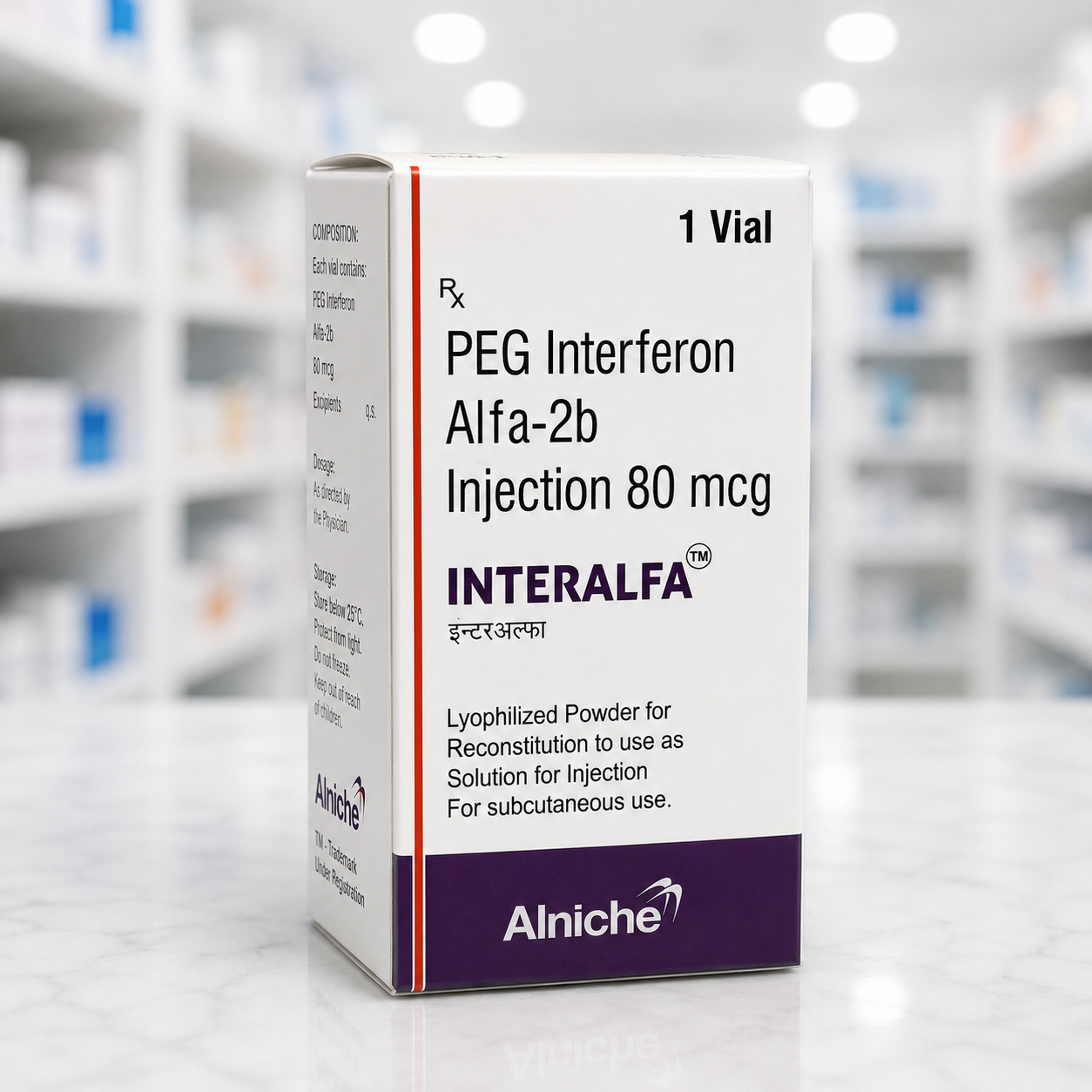
Introduction Of Interalfa 80mcg Injection:
Interalfa 80mcg Injection contains interferon alfa-2b, a synthetic version of a naturally occurring protein called interferon. Interferons are part of the immune system and help the body fight infections and other diseases. Interalfa 80mcg is used in various therapeutic settings, particularly for viral infections and certain types of cancers.
Uses Of Interalfa 80mcg Injection
- Chronic Hepatitis B
- Chronic Hepatitis C
- Hairy Cell Leukemia
Benefits Of Interalfa 80mcg Injection
Interalfa 80mcg Injection, which contains interferon alfa-2b, offers numerous benefits, especially for patients suffering from specific viral infections and certain types of cancer. Here are the key benefits of this medication:
- Effective Management of Chronic Hepatitis B and C
- Chronic Hepatitis B: Helps control the hepatitis B virus, reducing liver inflammation and the risk of developing severe liver conditions such as cirrhosis and liver cancer.
- Chronic Hepatitis C: Often used with other antiviral drugs, it can significantly reduce the hepatitis C virus levels in the blood, leading to improved liver function and decreased progression of liver disease.
- Cancer Treatment and Remission Induction
- Malignant Melanoma: When used as an adjuvant therapy, Interalfa can help prevent the recurrence of melanoma after surgical removal, thereby increasing disease-free survival rates.
- Hairy Cell Leukemia: Interalfa can induce remission in patients with hairy cell leukemia, a rare type of chronic leukemia, improving survival and quality of life.
- Kaposi’s Sarcoma: Particularly in AIDS patients, it helps manage Kaposi’s sarcoma by inhibiting tumor growth and improving symptoms.
Mechanism Of Action Interalfa 80mcg Injection
Interalfa 80mcg Injection, containing interferon alfa-2b, is a recombinant protein that mimics the action of natural interferons produced by the body. The mechanism of action of Interalfa involves multiple pathways, contributing to its therapeutic effects against viral infections and certain cancers.
1. Antiviral Mechanism
Inhibition of Viral Replication:
-
- Induction of Enzymes: Interferon alfa-2b induces the production of several antiviral enzymes, such as 2′,5′-oligoadenylate synthetase (OAS) and protein kinase R (PKR). These enzymes degrade viral RNA and inhibit viral protein synthesis, respectively.
- Blocking Transcription and Translation: By activating these enzymes, Interalfa interferes with the virus’s ability to replicate its genetic material and produce essential proteins, effectively reducing viral load in the body.

Reviews
There are no reviews yet.