India Africa pharma trade is one of the most important supply partnerships in global health, and 2026 is shaping up to be a pivotal year for it. Indian manufacturers supply a large share of the medicines consumed across the continent, and the relationship keeps deepening as African healthcare systems expand, insurance coverage widens, and disease burdens shift toward chronic conditions that require long-term, reliable medicine supply. For importers in Ghana, understanding where this trade is heading helps you position your business ahead of the curve rather than reacting to changes after competitors have already moved.
Demand for Quality Generics Is Driving India Africa Pharma Trade
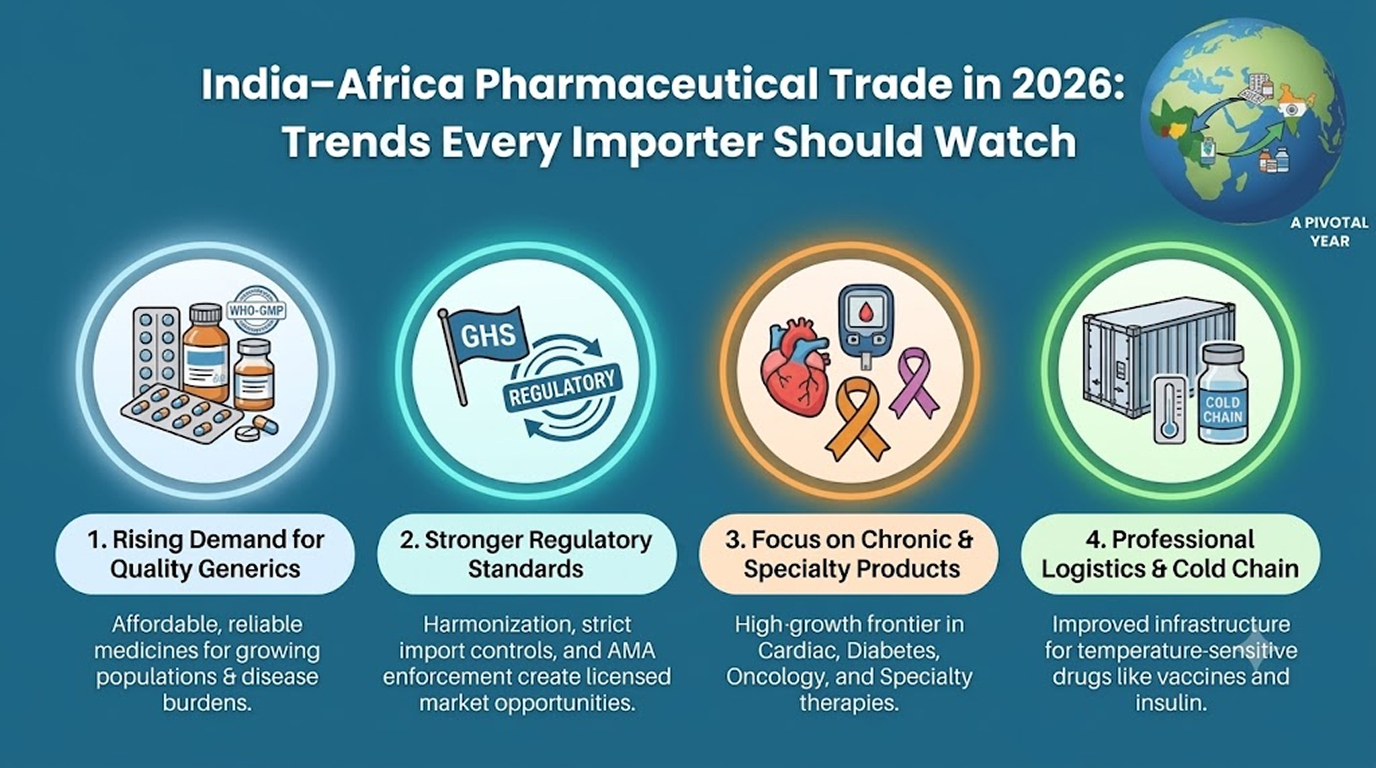
Rising populations, expanding health insurance schemes, and the growing burden of non-communicable diseases — hypertension, diabetes, cancer — are driving steady growth in demand for affordable, quality-assured medicines. This demand is the single biggest force behind India Africa pharma trade today. Indian generics remain the most cost-effective way to meet this demand, and buyers increasingly specify WHO-GMP sourcing as a minimum requirement rather than a premium feature. Our guide on WHO GMP certification covers what buyers should actually check when a supplier makes that claim.
Regulators Are Raising the Bar Across India Africa Pharma Trade
African regulators, including FDA Ghana, continue to strengthen registration requirements, post-market surveillance, and import controls, supported by continental harmonization initiatives such as the African Medicines Agency. For serious importers this is good news: stricter enforcement squeezes out grey-market operators and rewards businesses that source through licensed, fully documented channels. This shift is reshaping the sector in favor of exporters who can produce verifiable paperwork on demand, and it’s pushing buyers to treat documentation as a sourcing criterion rather than an afterthought — a topic we cover in detail in our guide to pharmaceutical export documentation and our walkthrough of FDA Ghana drug registration.
Chronic Disease and Specialty Products Are the Growth Frontier
Beyond the traditional antibiotics and antimalarials, the fastest-growing categories in India Africa pharma trade include cardiac and diabetes care, oncology, and specialty injectables — all areas where Indian manufacturers have deep capability. Importers who build registered portfolios in these therapeutic areas today will own valuable market positions tomorrow, particularly as insurance-funded treatment programs expand across Ghana and the wider region. Registration timelines for specialty products can run longer than for standard generics, so early movers who start the paperwork now will have a real head start once demand catches up with supply capacity.
Logistics and Cold Chain Are Professionalizing
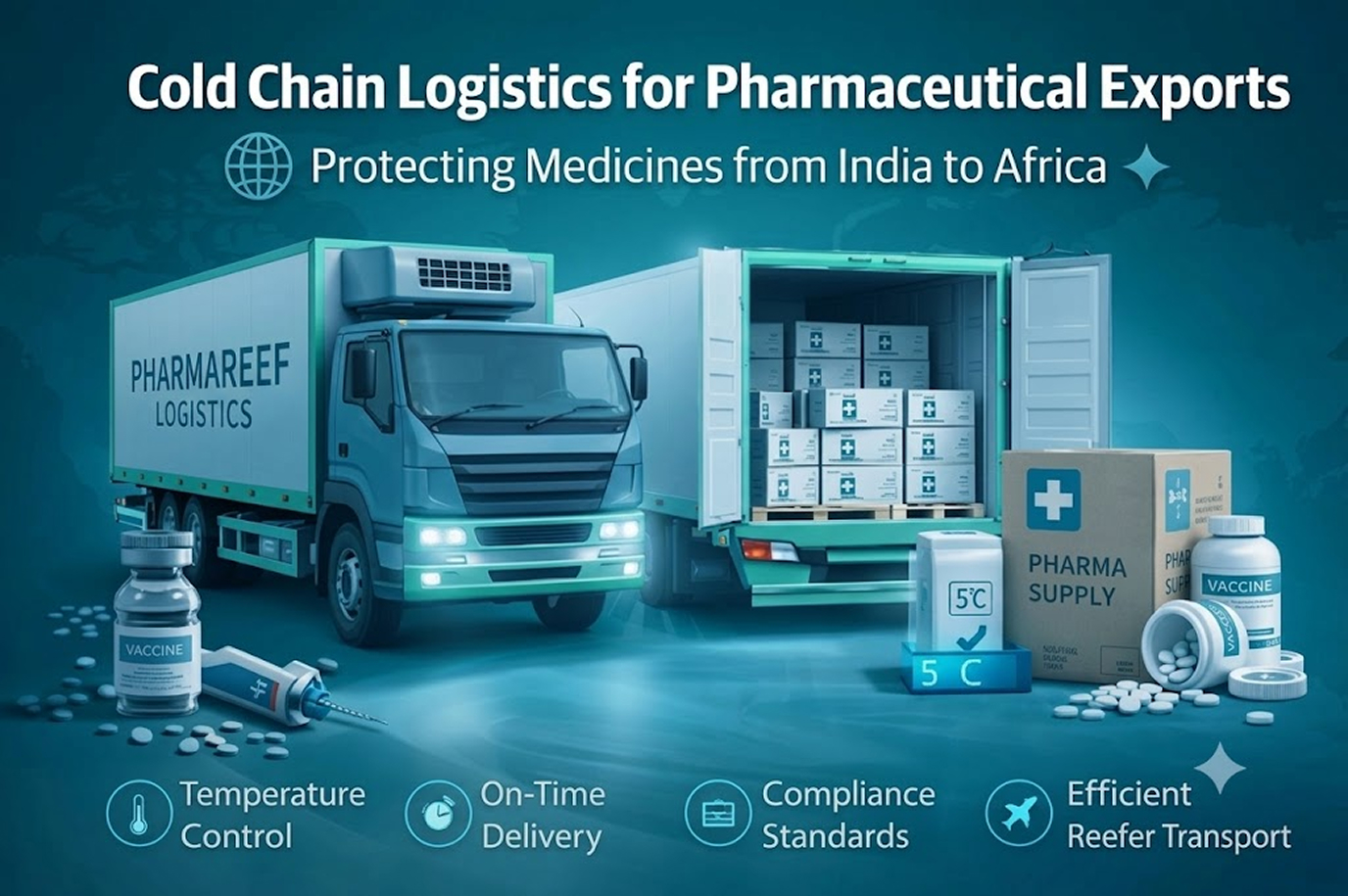
Improved air connectivity, pharma-grade freight handling, and wider cold-chain infrastructure are making it practical to import temperature-sensitive products that were once too risky. This is one of the more underappreciated shifts in India Africa pharma trade, and it opens the door to vaccines, insulin, and biologic therapies sourced directly from India. Our guide on pharmaceutical cold chain logistics covers the packaging and monitoring standards behind this shift.
Positioning Your Business Within India Africa Pharma Trade
Importers who want to benefit from these trends need the fundamentals in place first: a licensed, well-documented exporter, registered products, and dependable logistics. If you’re building or scaling a supply relationship, our 8-point checklist for choosing a reliable pharmaceutical exporter in India and our guide to bulk medicine suppliers both cover the groundwork that makes participating in India Africa pharma trade profitable rather than risky.
Where Divy Tradelink Fits In
Divy Tradelink helps partners in Ghana capitalize on these trends — from identifying high-potential products and registration-ready manufacturers to managing compliant, temperature-controlled shipments. The India Africa pharma trade corridor is growing; the winners will be the businesses that build professional supply chains now.