
Starting a pharmacy business in Ghana is one of the most dependable healthcare ventures available — people need medicines in good times and bad. But margins are made or lost on sourcing. One that builds a direct, compliant supply line from India consistently achieves better margins and stock reliability than one buying entirely through layers of local wholesalers. Here is the roadmap.
Get Licensed First to Run a Pharmacy Business in Ghana
Register your business in Ghana, then obtain premises registration and licensing through the Pharmacy Council of Ghana, which requires a superintendent pharmacist for a full pharmacy. If you intend to import rather than buy locally, you will also need to register as an importer with FDA Ghana. Complete these steps before investing in stock — operating outside the licensing framework risks everything, including the ability to keep the doors open. Many first-time owners underestimate how long licensing takes and order inventory before approvals clear, which ties up cash in stock that can’t legally be sold yet.
Plan Your Startup Formulary
Build your opening stock around proven fast movers: analgesics, antibiotics, antimalarials, antihypertensives, diabetes medicines, gastro and respiratory products, multivitamins, and everyday OTC lines. Local wholesalers are fine for week-one urgency, but plan your recurring high-volume items for direct import, where unit costs are lowest. Deciding early which products belong in each category will shape your cash flow for the first year far more than any single pricing negotiation.
Build Your India Supply Line for Your Pharmacy Business in Ghana
Partner with a licensed Indian pharmaceutical exporter that supplies from WHO-GMP certified manufacturers and provides complete documentation. Our 8-point checklist for choosing a reliable pharmaceutical exporter in India is worth working through before you place a first order, since a bad choice here is expensive to unwind later. Start with FDA-Ghana-registered products to sell immediately, and plan registrations for additional high-margin lines over time — our guide on FDA Ghana drug registration covers what that process actually involves.
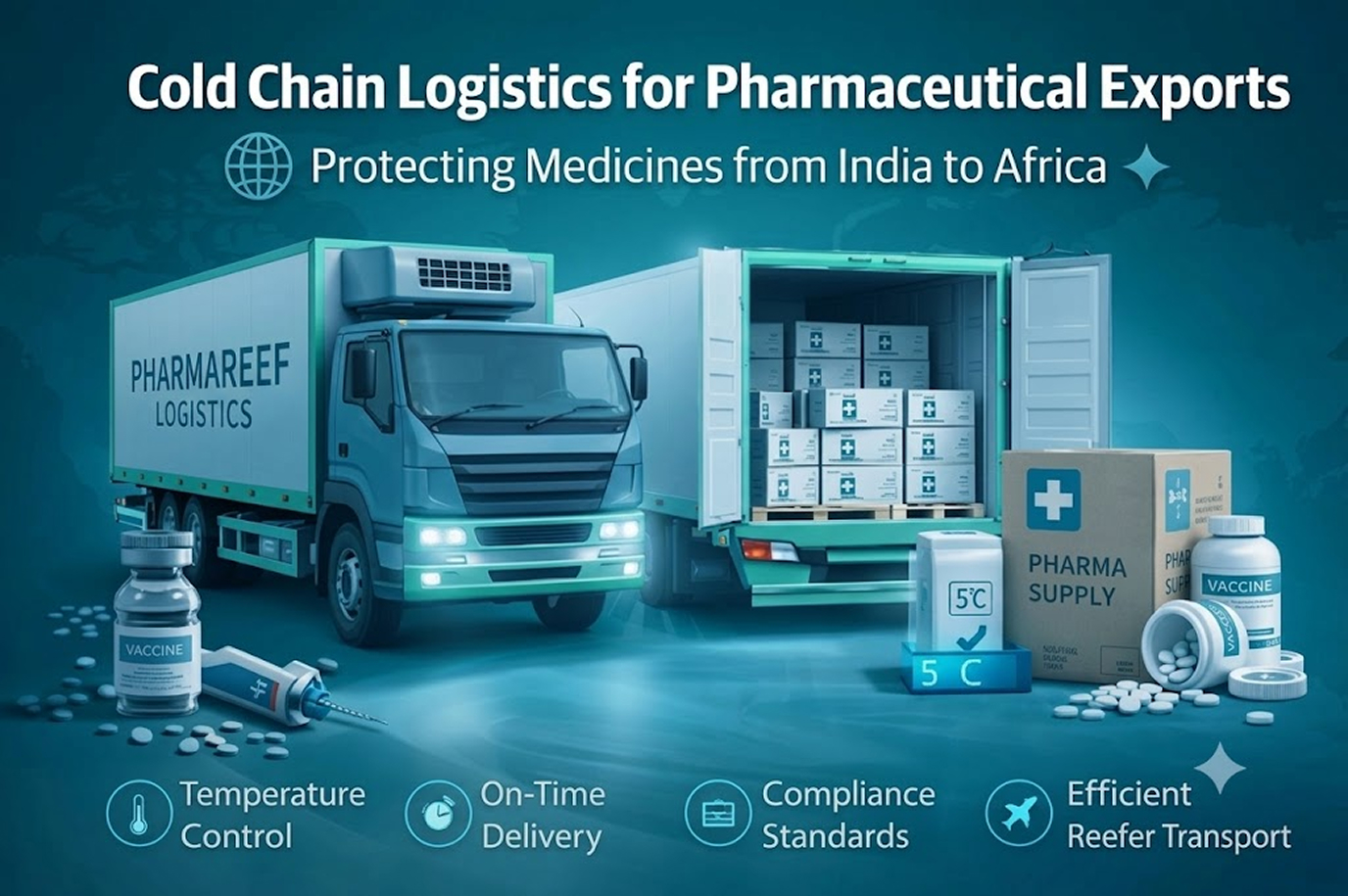
Consolidated shipments combining many products in one consignment keep freight and clearing costs efficient for a growing pharmacy business in Ghana. If you’re not yet ordering at bulk volumes, our guide to working with bulk medicine suppliers explains when it starts to make financial sense to consolidate orders this way.
Choosing Between Generic and Branded Stock
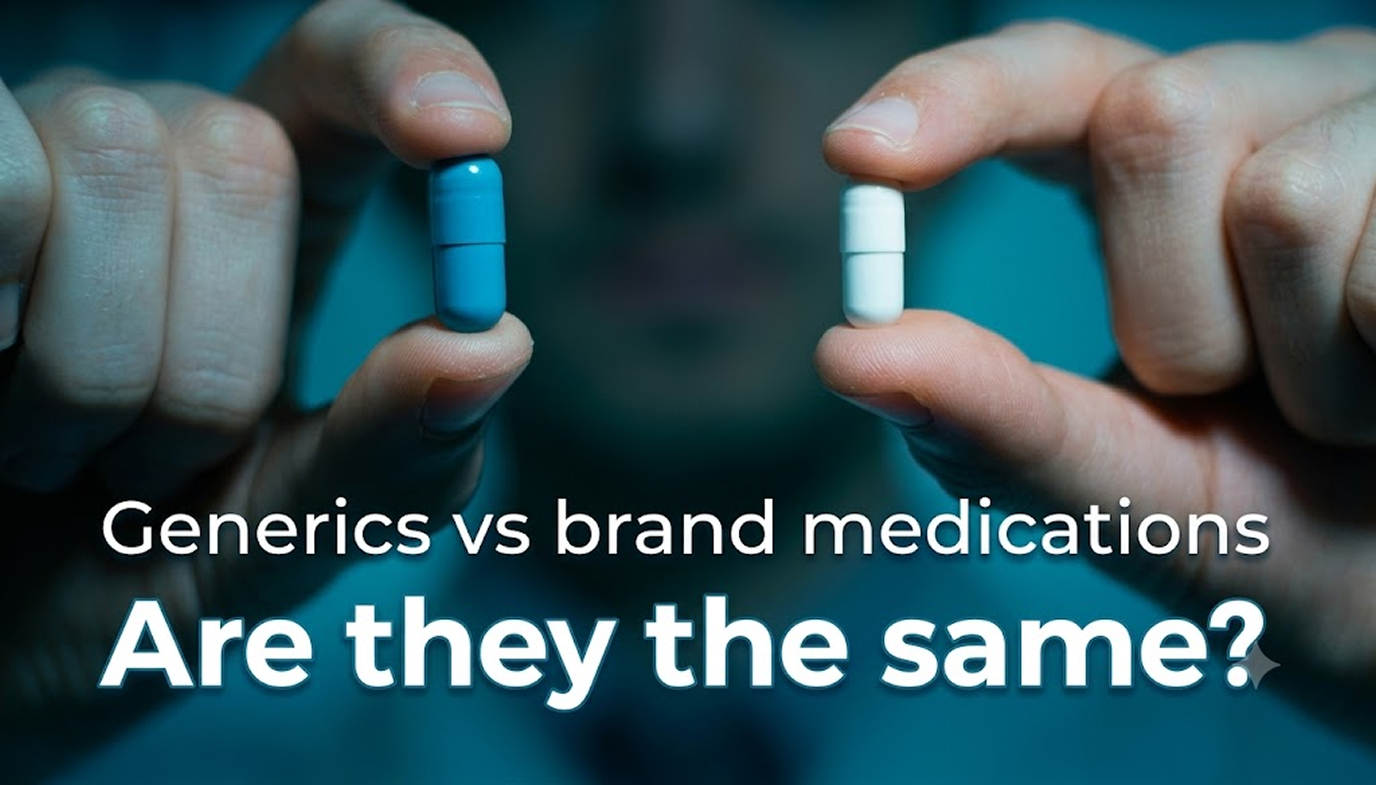
Every pharmacy business in Ghana eventually faces the generic-versus-brand question on its shelves. Our guide on generic vs branded medicines explains why the manufacturer’s documentation, not the label, should drive that decision — a distinction that protects both your margins and your patients.
Common Early Mistakes to Avoid
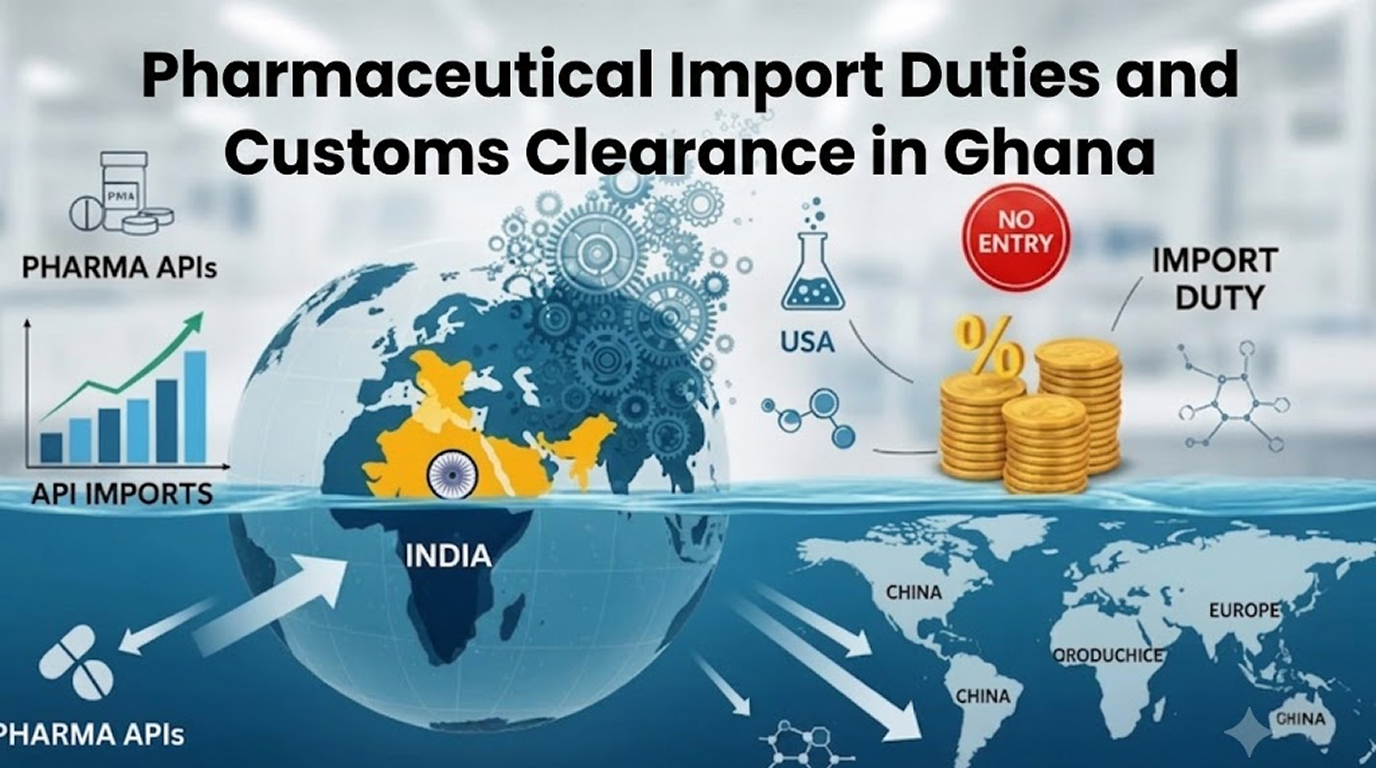
New owners often make the same handful of errors: over-ordering slow-moving specialty products before proving demand, under-budgeting for freight and clearing costs when comparing India prices to local wholesaler quotes, and delaying FDA Ghana registration paperwork until stock is already en route. Each of these is avoidable with basic planning, and each one is far more expensive to fix after the fact than to prevent up front. Building a simple 12-month cash-flow forecast around your expected order cycle, before you sign with any supplier, is one of the highest-leverage things a first-time owner can do.
Grow on Reliability
A pharmacy’s reputation is built on always having what patients need. Track your sales data, reorder on a rhythm that respects import lead times, and keep safety stock of critical items. A business that runs out of common essentials loses customer trust far faster than it can win it back with a promotion.
Divy Tradelink supports new and growing pharmacies in Ghana with startup stock consultations, competitive bulk pricing, and dependable delivery — one accountable partner from Indian factory to your shelf, whatever stage your pharmacy business in Ghana is at today.