
When a patient takes a tablet, swallows a syrup, or receives an injection, they place complete trust in the quality of that medicine. Behind every safe, effective pharmaceutical product is a strict set of manufacturing standards — and at the heart of those standards is GMP: Good Manufacturing Practice.
GMP certification is the internationally recognised quality assurance framework that governs how pharmaceutical products are produced, tested, packaged, and stored. For healthcare businesses in Ghana and across Africa that import medicines from India, understanding GMP — and why it must be a non-negotiable requirement — is critical to protecting patients, maintaining regulatory compliance, and building a trustworthy healthcare operation.
According to the World Health Organization, substandard and falsified medical products affect every region of the world — but low and middle income countries, particularly across Africa, bear a disproportionate share of the burden. An estimated 1 in 10 medical products in low and middle income countries is substandard or falsified. For importers in Ghana, that statistic is not an abstraction — it is a daily operational risk.
This article explains what GMP certification means, how it works in the context of Indian pharmaceutical manufacturing, and why it should be the first thing you verify before sourcing medicines from any Indian supplier.
What Is GMP Certification?
Good Manufacturing Practice (GMP) is a system of quality management standards that ensures pharmaceutical products are consistently produced and controlled to quality standards appropriate for their intended use. GMP guidelines cover every aspect of the manufacturing process — from the design and cleanliness of the facility and the training of staff to the sourcing of raw materials, the control of production processes, and the testing of final products.
The World Health Organization (WHO) publishes its own version of these guidelines — known as WHO-GMP — which has become the globally accepted benchmark for pharmaceutical quality, particularly in international trade. Many countries, including Ghana, require imported medicines to be manufactured by WHO-GMP certified facilities. Without this certification, a product cannot legally enter Ghana’s pharmaceutical market.
How GMP Works in India’s Pharmaceutical Industry
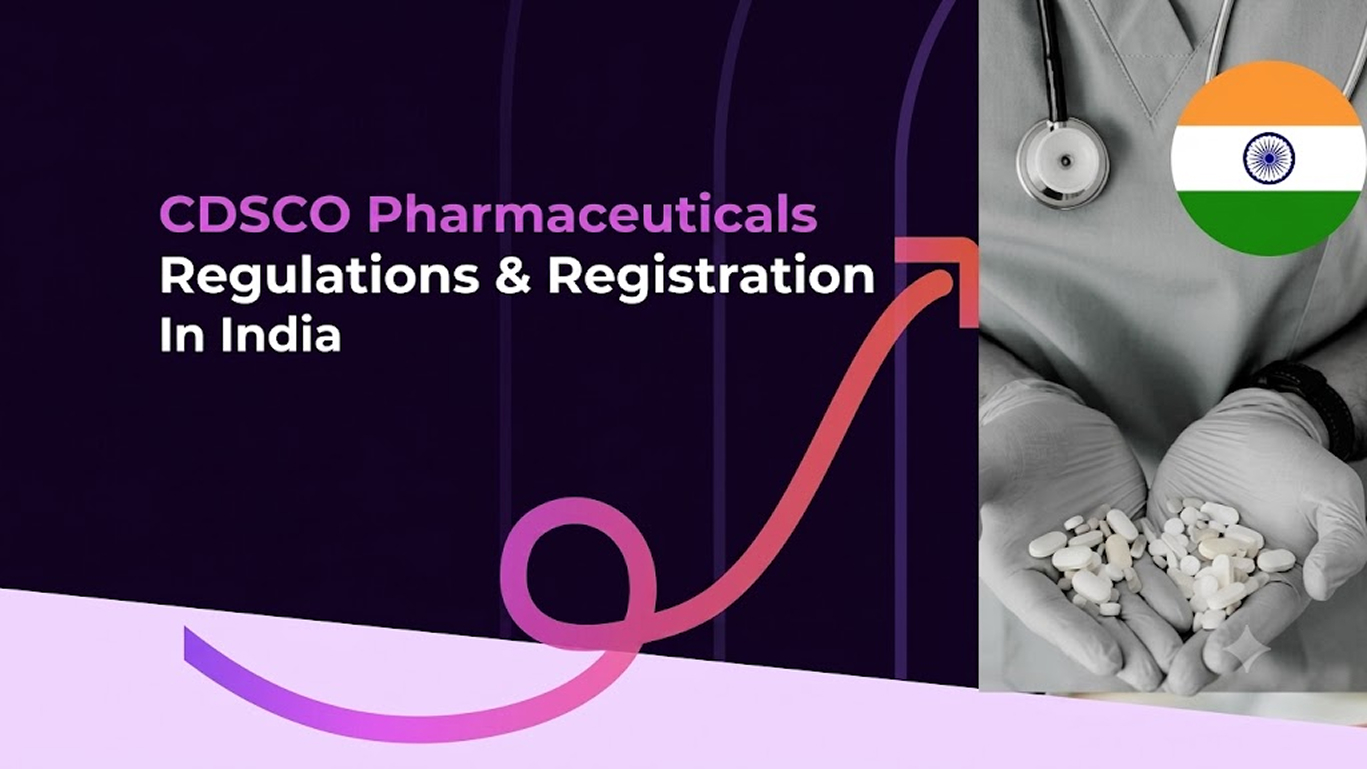
India is the world’s largest producer of generic medicines and one of the top suppliers of pharmaceuticals to African and developing markets. The country’s pharmaceutical manufacturing sector is governed by the Central Drugs Standard Control Organisation (CDSCO), which operates under the Ministry of Health and Family Welfare.
CDSCO requires all pharmaceutical manufacturers in India to comply with Schedule M of the Drugs and Cosmetics Act — India’s domestic GMP standard. For manufacturers producing medicines for export, additional WHO-GMP certification is mandatory. This means that every legitimate Indian pharmaceutical exporter works with facilities that have been inspected, audited, and certified by authorised regulatory bodies.
When you source medicines from a CDSCO-registered, WHO-GMP certified Indian manufacturer, you can be confident that the product has been made under rigorously controlled conditions, tested to confirmed specifications, and documented throughout the entire production process.
Types of GMP Certification – What the Differences Mean for You
When sourcing medicines from India, you may encounter references to several different GMP standards. Understanding what each one means will help you make informed decisions about which suppliers and products to accept.
WHO-GMP — The World Health Organization’s Good Manufacturing Practice guidelines are the internationally recognised baseline standard for pharmaceutical manufacturing. WHO-GMP certification is required by Ghana FDA and most African regulatory authorities for all imported pharmaceutical products. This is the minimum standard you should accept from any Indian supplier.
Schedule M (CDSCO) — Schedule M is India’s domestic GMP standard, published under the Drugs and Cosmetics Act and enforced by CDSCO. It is broadly aligned with WHO-GMP but applies specifically to manufacturers operating within India. All Indian pharmaceutical manufacturers must comply with Schedule M regardless of whether they export. However, for export purposes, WHO-GMP certification is additionally required.
EU-GMP — The European Union’s GMP standard is widely regarded as one of the most stringent in the world, governed by the European Medicines Agency (EMA). Indian manufacturers that hold EU-GMP certification have been inspected and approved by European regulatory authorities — a significant mark of quality that exceeds the WHO-GMP baseline.
US FDA (cGMP) — Current Good Manufacturing Practice as enforced by the United States Food and Drug Administration represents another internationally respected standard. Indian manufacturers approved by the US FDA have passed rigorous inspections and are authorised to supply the American market.
What this means for your procurement: At minimum, always require WHO-GMP certification. If a supplier holds EU-GMP or US FDA approval in addition to WHO-GMP, this provides additional quality assurance. Never accept Schedule M alone as sufficient for imported products — it is a domestic standard and does not substitute for WHO-GMP in the context of international trade.
Why GMP Certification Protects Your Patients
The most important reason to insist on GMP-certified medicines is patient safety. Medicines that are not produced under proper GMP conditions carry significant risks — contamination, incorrect dosages, degraded active ingredients, and mislabelled packaging are all possible consequences of poor manufacturing standards. In healthcare settings, these failures can cause patient harm, treatment failure, or in the worst cases, fatalities.
In Ghana and across Africa, where counterfeit and substandard medicines remain a genuine public health challenge, sourcing from GMP-certified Indian manufacturers provides a critical layer of protection. It means you can confidently tell your patients, your medical staff, and your regulators that the medicines you supply have been manufactured under internationally verified standards.
Why GMP Certification Protects Your Business
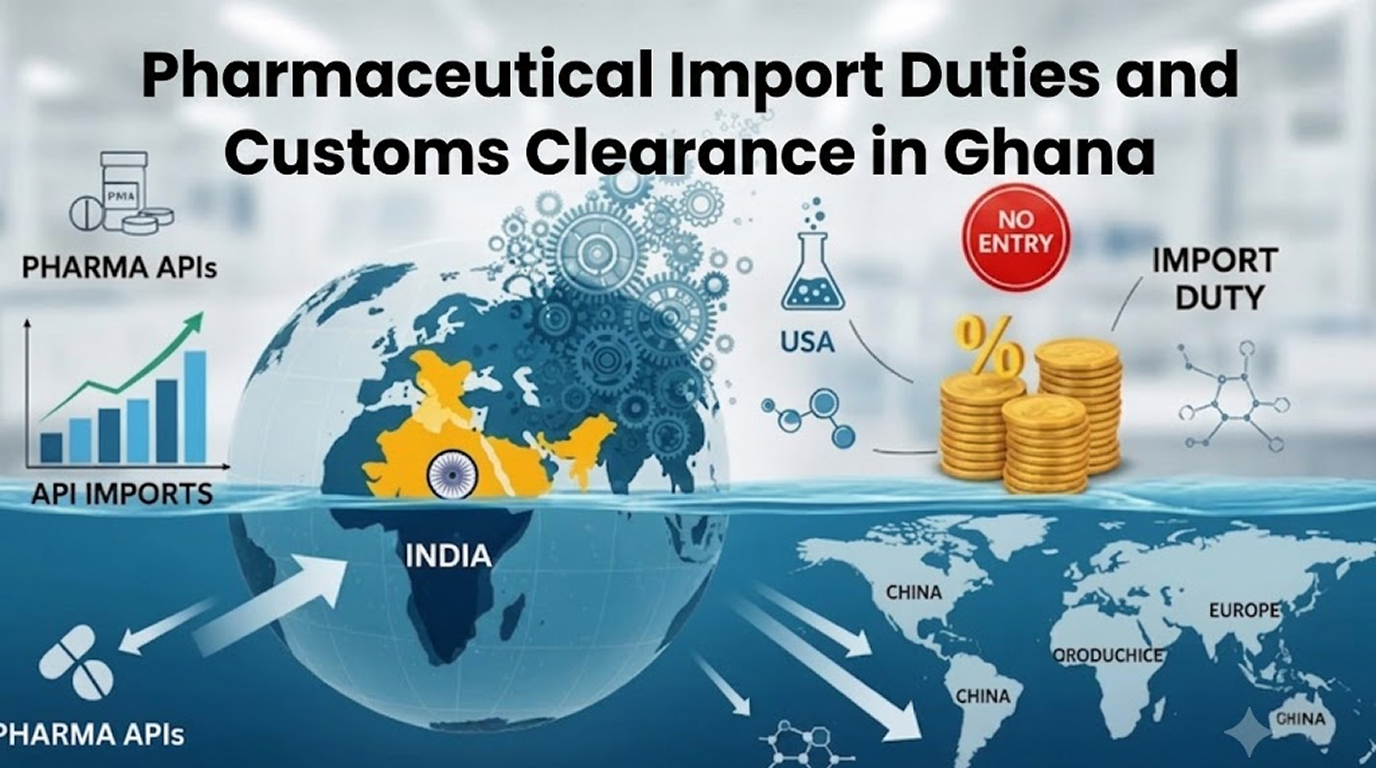
Beyond patient safety, GMP certification is also a business-critical requirement. The Ghana FDA requires that all imported pharmaceutical products are manufactured in facilities that meet internationally recognised quality standards. If you import and supply medicines from non-certified manufacturers, you risk having your products seized at customs, facing fines or licence suspension, and suffering reputational damage that can be difficult to recover from.
Working only with GMP-certified suppliers ensures that your import documentation — particularly the WHO-GMP Certificate and Certificate of Analysis — stands up to scrutiny at every regulatory checkpoint. It also builds long-term confidence among your healthcare partners, government procurement bodies, and the patients who rely on your supply.
How to Verify a Manufacturer’s GMP Status
Before placing any pharmaceutical order with an Indian supplier, always request and verify the following documents: the manufacturer’s CDSCO registration certificate, the WHO-GMP certificate (with valid expiry date), and product-specific Certificates of Analysis (COA) for the medicines you intend to import.
A credible Indian pharmaceutical exporter will have all of these documents readily available and will share them without being asked twice. If a supplier hesitates, is unable to provide documentation, or offers medicines at prices that seem unrealistically low, treat these as serious warning signs. Quality assurance comes at a cost, and genuinely GMP-certified products reflect the investment that goes into safe manufacturing.
How Divy Tradelink Ensures GMP Compliance on Every Order
At Divy Tradelink, GMP compliance is not an afterthought — it is the foundation of everything we do. We source exclusively from CDSCO-registered manufacturers that hold valid WHO-GMP or equivalent certification. Every product in our catalogue has been vetted for authenticity, quality documentation, and regulatory compliance before we add it to our export portfolio.
For every shipment, we provide a complete documentation package including WHO-GMP certificates, Certificates of Analysis, Free Sale Certificates, and all required export documentation — ensuring smooth clearance through Ghana FDA and other destination country regulatory bodies. Our team is available to answer any compliance queries your business may have before, during, or after your order.
Conclusion: GMP Is Not Optional — It Is Essential
In pharmaceutical importing, quality assurance is not a luxury. It is a legal requirement, an ethical responsibility, and the cornerstone of a sustainable healthcare supply business. GMP certification from India’s regulatory authorities is your assurance that the medicines you import are safe, effective, and produced under internationally verified standards.
Before you source any medicine from India, ask for the GMP certificate. At Divy Tradelink, we make that easy — because every product we supply already comes with it. Contact our team today to request your product list and a proforma invoice within 72 hours.